Health — A Personal Journey
Eleven Years of NMN & Resveratrol: My Personal Experiment with Aging
What eleven years of consistency taught me about health, science, uncertainty, and caring for my future self.
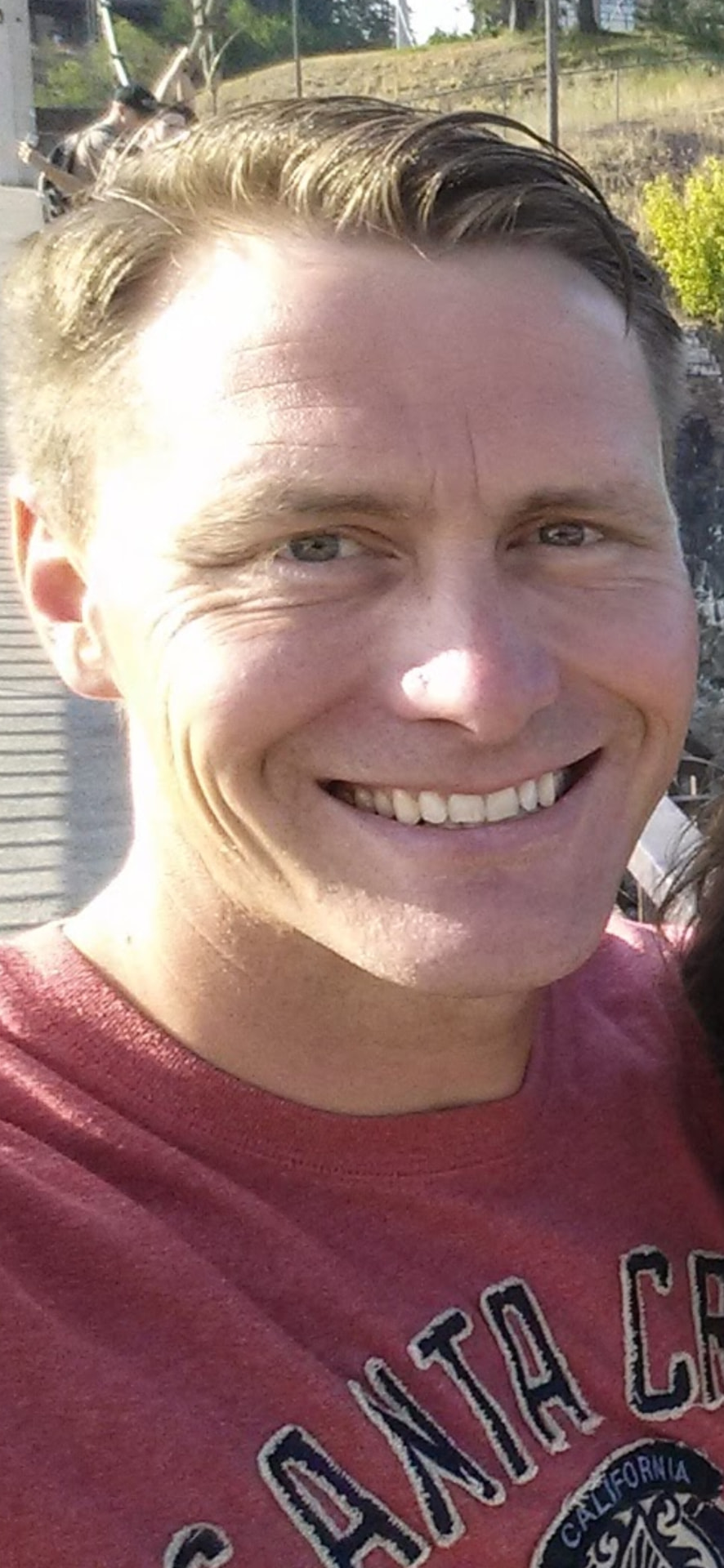
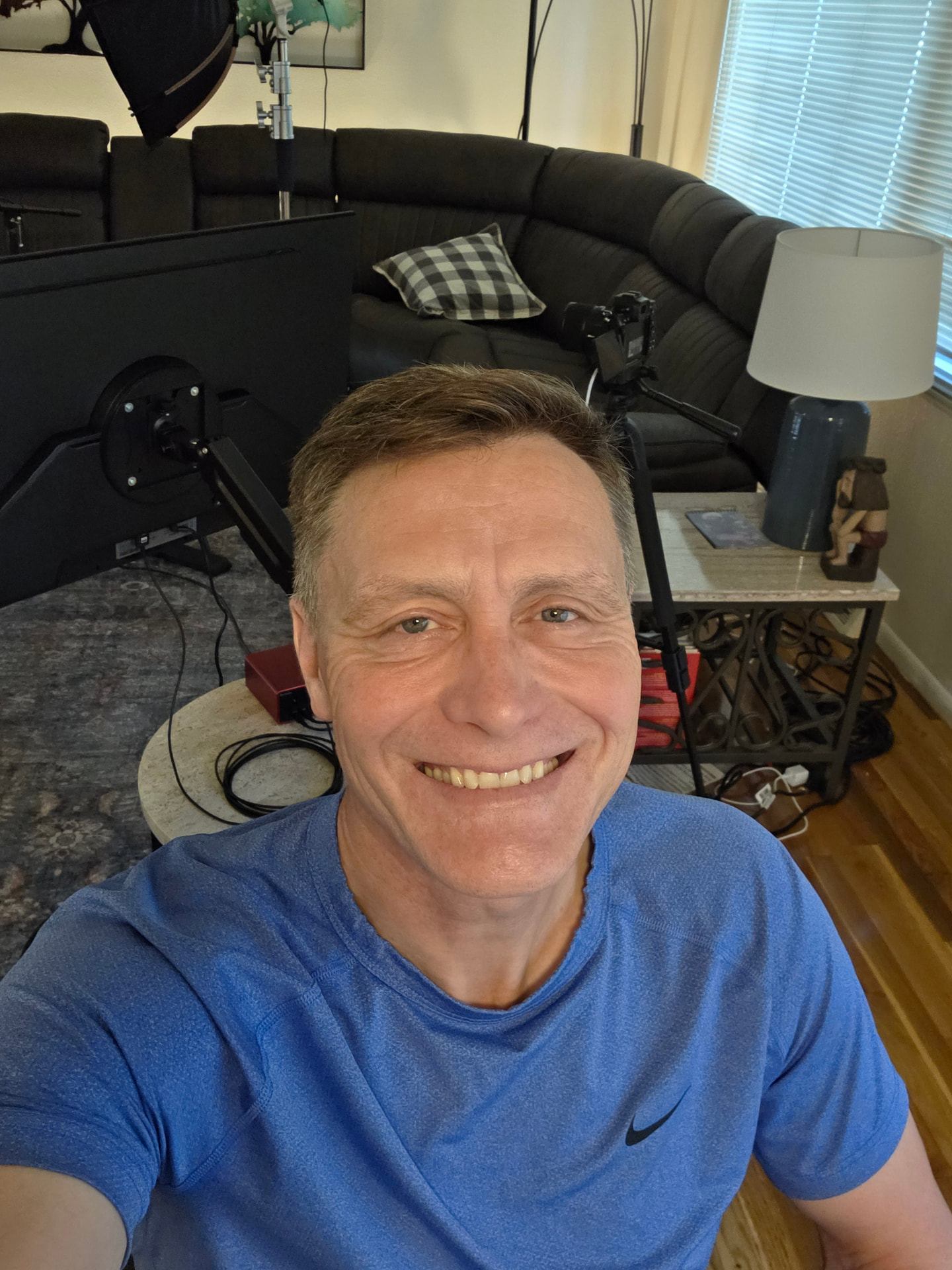
Original, unretouched photographs — shared exactly as they were taken.
My story
How it began
At 43, I was beginning to notice things. Morning stiffness that took a while to shake off. Hair that was thinner than it used to be. Nothing dramatic — just the quiet, unmistakable sense that time was doing what time does.
Around that time I came across Dr. David Sinclair's research on aging, and it lit a spark. The idea that aging might be something we could influence — even a little — felt worth exploring. So I began taking NMN and resveratrol, and I kept taking them.
Eleven years later, I estimate I've missed only about ten days. That's the part I'm proudest of: not any single result, but the consistency itself.
I want to be honest about what this was and wasn't. My diet, exercise, and alcohol habits varied considerably over those eleven years. This was not a controlled experiment. It was one person, one daily habit, and a lot of ordinary life happening in between.
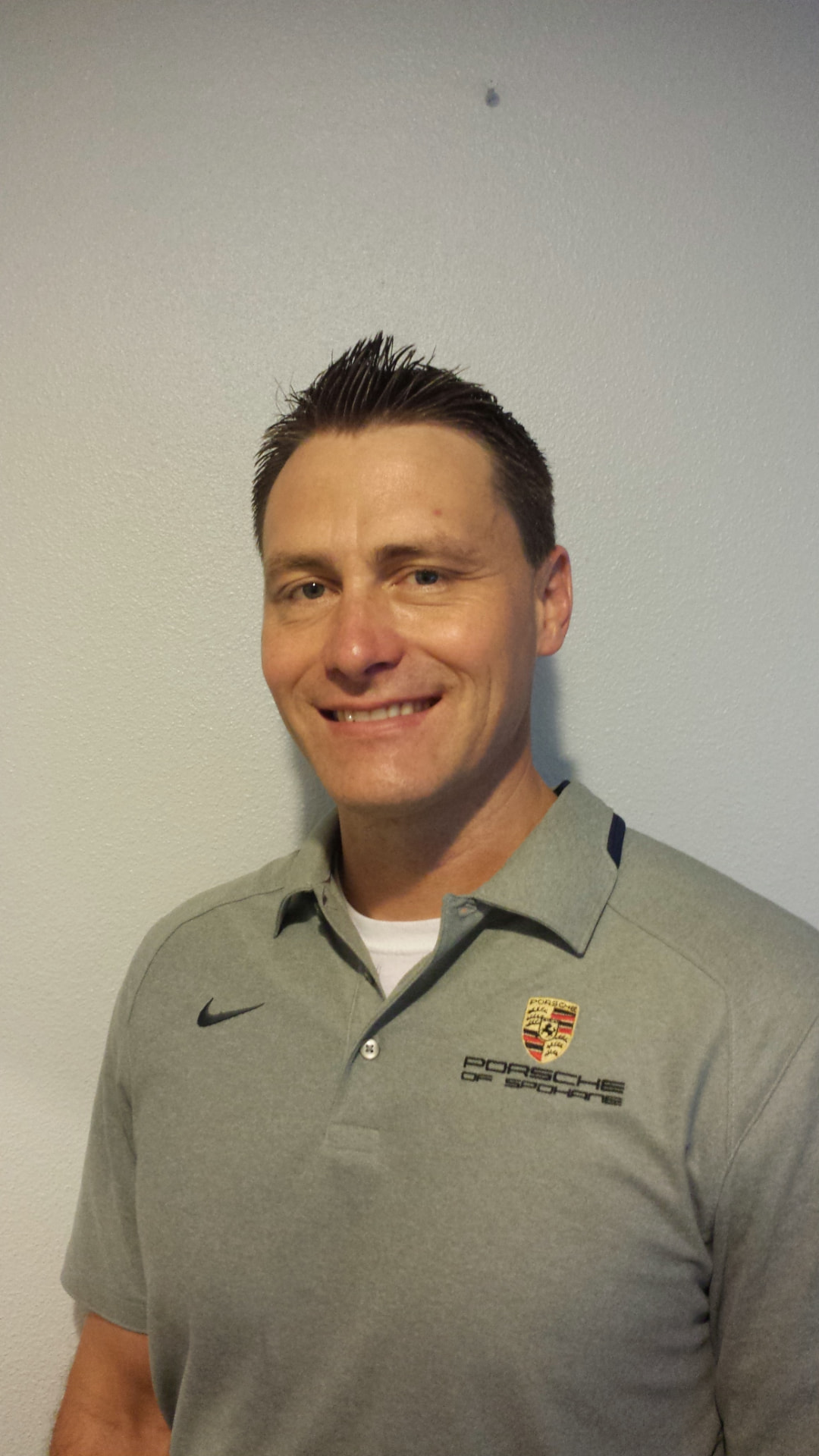
Eleven years in photographs
The passage of time, in pictures
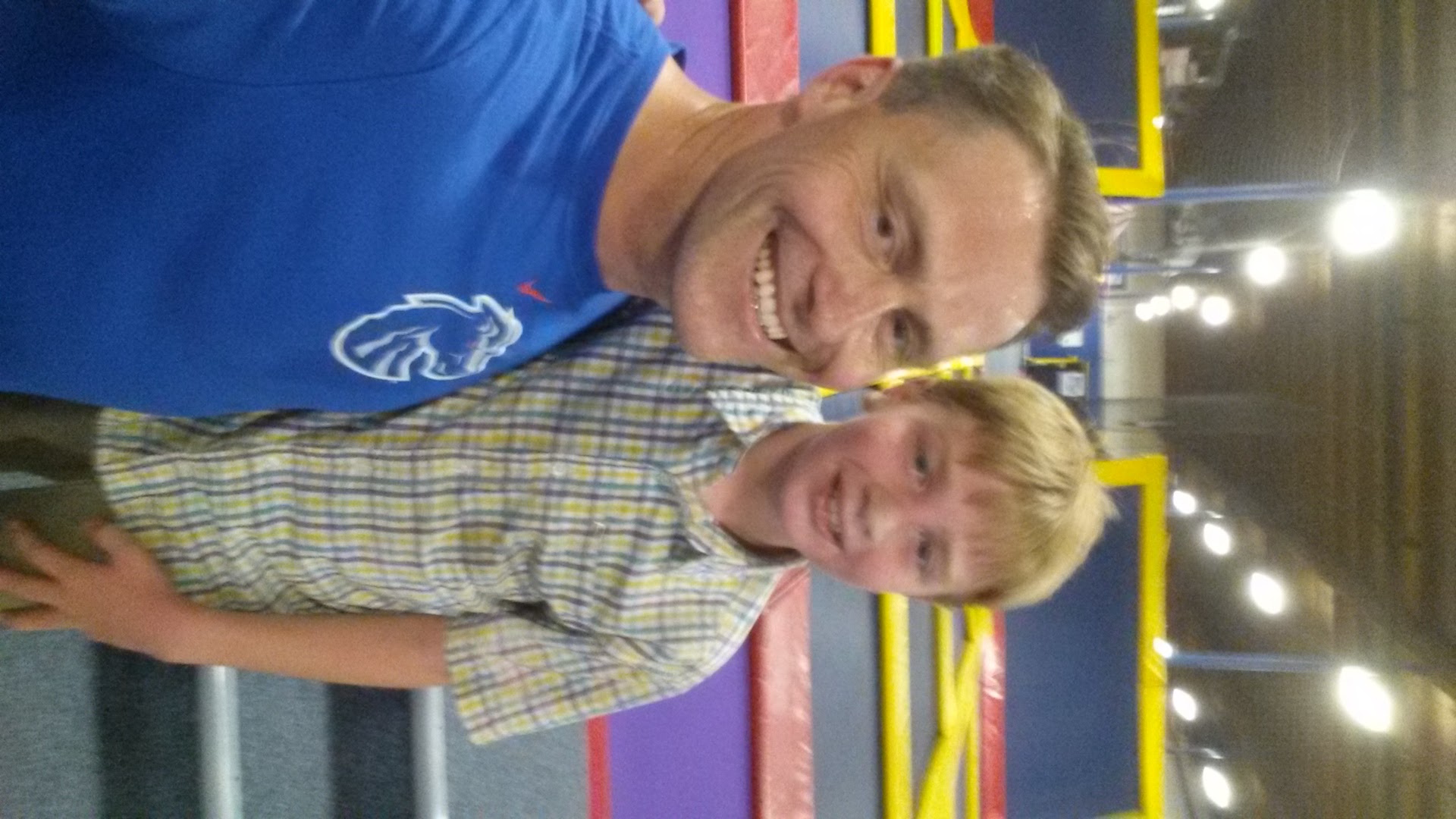

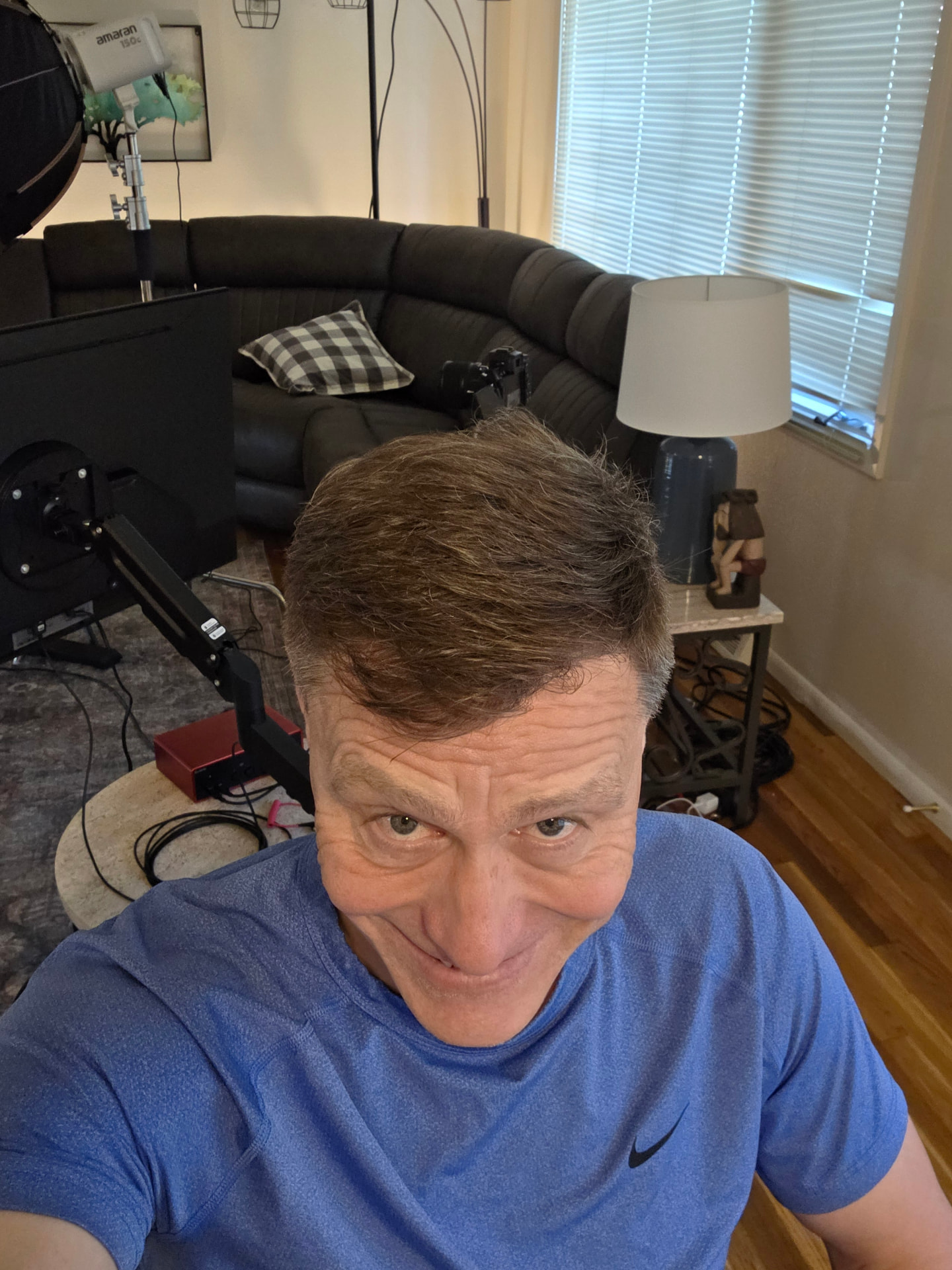
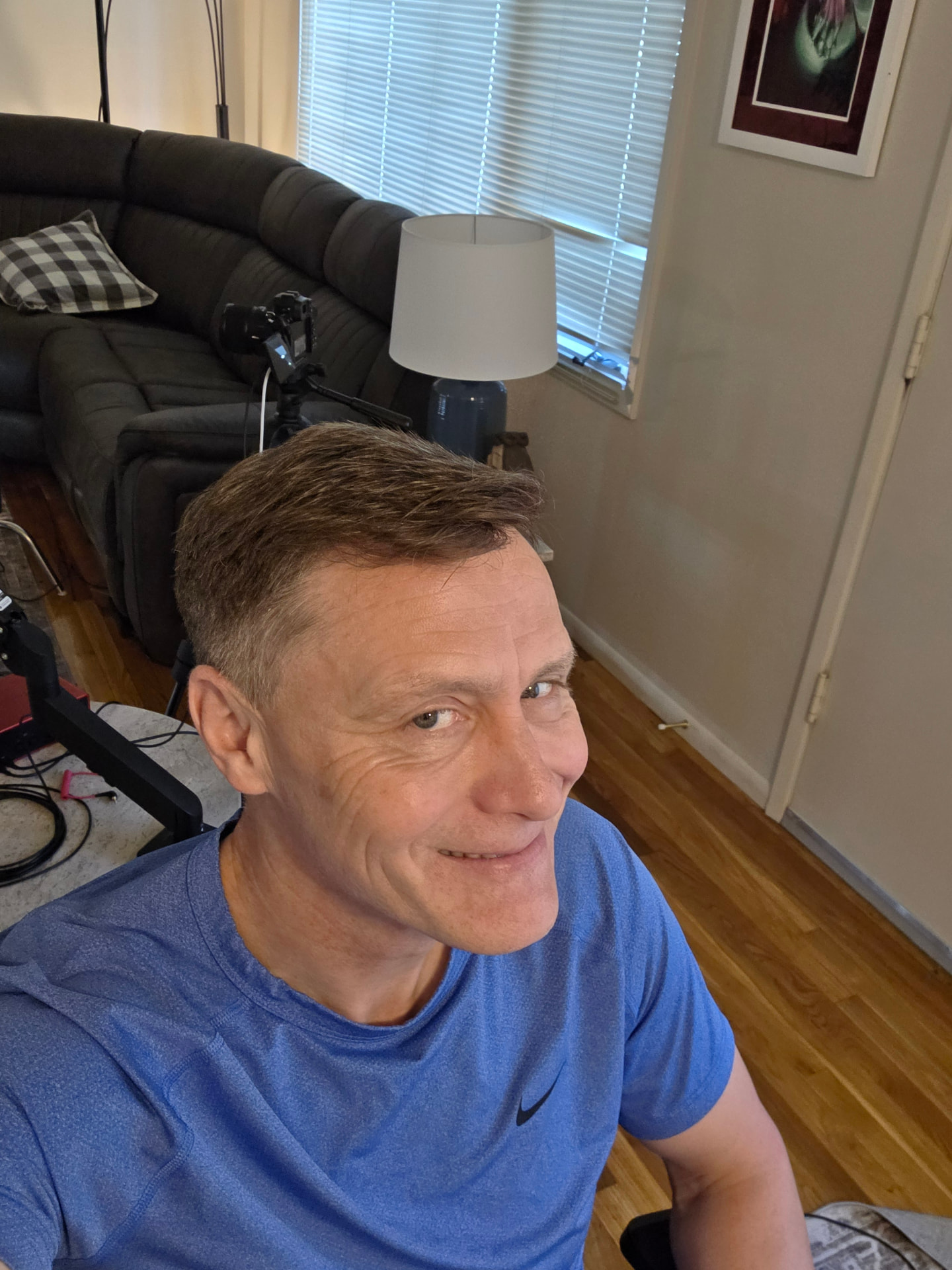
What I've observed
Honest notes from the mirror
After eleven years, here is what I can honestly say about my own experience — offered as personal observation, not proof.
Morning stiffness
I no longer notice the morning joint stiffness I experienced at 43. It faded so gradually that I can't point to the day it left.
Hair
I personally feel that my overall hair coverage has held up well, although I still have a bald spot and some gray hair. The mirror keeps me humble.
A recent checkup
I recently received encouraging feedback following a colonoscopy. That's a routine screening result — not a biological-age test — but it was welcome news all the same.
These are subjective experiences and ordinary clinical observations. They are not evidence that the supplements caused any of these outcomes.
Understanding the science
What NMN and resveratrol actually are
NMN — nicotinamide mononucleotide — is a precursor involved in the body's production of NAD+, a molecule that plays a central role in cellular energy and repair. NAD+ levels tend to decline with age, which is part of why researchers are interested in it. Human studies have demonstrated that NMN supplementation increases measured NAD-related biomarkers.
Resveratrol is a plant compound — famously found in red wine — with a long history of laboratory research. Much of the scientific interest centers on cellular stress-response pathways, the systems cells use to cope with damage and strain.
Here is the part that matters most: neither supplement, nor their combination, has been proven to slow human aging or extend human lifespan. The biology is genuinely interesting. The proof, in humans, is not there yet.
What the research says
A balanced look at the evidence
I try to hold my enthusiasm and the evidence in the same hands. Here is an honest summary of where the research stands:
- Human NMN trials have reported increases in NAD+ biomarkers.
- Some small studies reported promising secondary outcomes, but the broader evidence has not established consistent physical-function benefits.
- A 2025 systematic review and meta-analysis found no significant improvement in several measures of muscle mass and function.
- A 2024 systematic review found insufficient clinical evidence to recommend resveratrol as a treatment.
- Long-term efficacy and safety over eleven years are simply not established by the existing short-term trials.
Why I can't claim causation
One person is not a clinical trial
Could I claim the supplements caused how I feel today? No — and I won't. A personal experience involving one individual, with no control group and numerous lifestyle changes along the way, cannot establish the effects of either supplement.
Over eleven years I changed how I ate, how I moved, and how I lived — more than once. Any of those changes, or plain good fortune, could deserve the credit.
But I don't think that makes the story worthless. Personal stories aren't evidence, yet they are how we decide what questions are worth asking. Mine is offered in that spirit: a question I've been living, not an answer I'm selling.
A message to my future self
Dear 65-year-old me
When I think about the 43-year-old who started all this, I feel something like gratitude. He didn't know whether any of it would matter. He just decided that his future self — me — was worth taking care of, and he showed up for that person almost every single day.
Now I'm 54, and there is a 65-year-old version of me out there, eleven years down the road. He is depending on the decisions I make today — what I eat, how I move, what I pay attention to, and yes, what I keep taking each morning.
I can't promise him certainty. Nobody gets that. But I can promise him the same thing the 43-year-old gave me: consistency, curiosity, and care. That feels like a fair deal across time.
Explore Wonderfeel Youngr NMN
Affiliate disclosure: I have a paid affiliate relationship with Wonderfeel and may earn a commission from qualifying purchases. This article reflects my personal experience and an independent discussion of the evidence.
Wonderfeel did not sponsor my eleven-year experiment, and I haven't used its products for the entire eleven years. However, I have personally used Wonderfeel for more than three years as part of my ongoing NMN and resveratrol routine.
Explore Wonderfeel Youngr NMN
Research references
Read the science yourself
If you'd like to read the research yourself — and I hope you do — these publications are a good place to start:
Watch the EARLiverse episode
A companion episode of the EARLiverse podcast about this eleven-year journey is planned. When it's published, you'll be able to watch it here.
Coming soon